
Oro~Facial Center
Specializing in Prosthodontics &
Maxillofacial Prosthetics
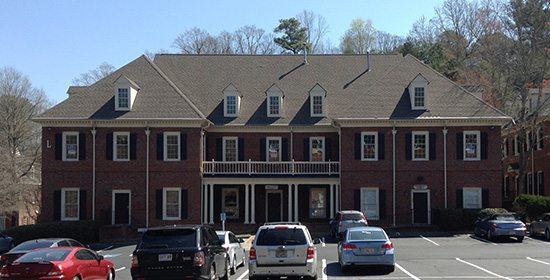
Tucker Office (Main)
3574 Habersham at Northlake, Tucker, GA 30084 | 770.934.2339
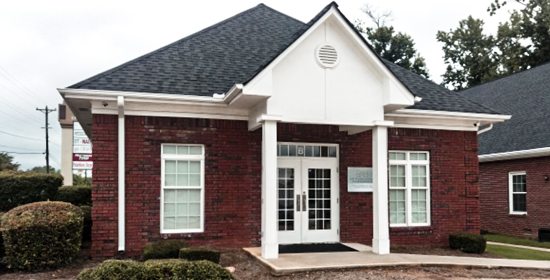
Conyers Office
1400 Dogwood Drive SE, Conyers, GA 30013 | 770.922.0440
Welcome to Oro~Facial Center
Welcome to Oro-Facial Center conveniently located in Tucker, GA, which is approximately 20 minutes NE of downtown Atlanta. We also have a part-time office in Conyers where we see patients two days a month.
Oro-Facial Center specializes in Prosthodontics and Maxillofacial Prosthodontics. Since 1992, our practice is dedicated to providing the ultimate experience in restorative dental care for our patients.
At Oro-Facial Center, you’ll be greeted with a warm smile into our comfortable and inviting facility. Each one of us are committed to providing you the best possible dental and restorative experience from our dedicated team of professionals to our exceptional services to our newly remodeled, state-of-the-art facility.
Oro-Facial Center combines the artistry, proven experience and the latest technology for complex, full-mouth restorations and facial prosthetics.
770.934.2339
770.922.0440
Services & Procedures
Oro-Facial Center offers a wide variety of services and procedures to personally treat your individual needs.
Whether your dental or restorative needs require a comprehensive exam, whitening, complex dental procedure, full mouth restoration, or facial prosthesis; our team is committed to providing you exceptional care to enhance the natural beauty of your smile and appearance.
Since 1992, our clinical experience combined with our advanced technology enables us to design a treatment plan tailored to address your individual needs. We clearly explain your treatment plan in detail so it is easy to understand to ensure the success of your treatment.
Please click the links to learn more, and then schedule a consultation with our team – we’re looking forward to answering your questions with the opportunity to help you restore your natural smile!
Bridges & Crowns
A dental Bridge is a cemented, fixed restoration to replace missing teeth. A crown is a cemented, fixed restoration of 1 tooth that restores its shape and function. Learn more...

Dental Implants
Dental Implants have been documented as far back in human history as the Egyptians in 2000 BC. Modern Day Implants are made from...

Facial Prosthesis
Facial Prosthesis are removable prostheses that replace a persons nose, ears, lips, cheeks or whatever might be missing due to cancer, trauma or congenital defect...

Trismus Therapy
Trismus is a limitation to opening caused by muscle fibrosis from Radiation Therapy, or due to damaged jaw joints, or ...
Oral Pathalogy
Oral Pathology is a specialty of dentistry that deals with the nature, identification, and management of diseases affecting the oral and ...

Frequently Asked Questions
View our Frequently Asked Questions including our Patient Resources and Terms & Definitions...

Dentures
There are two categories of dentures: 1) Removable Partial Denture (RPD) and 2) Complete, or Full Denture. (CD) Both are Dentures as they replace...
Veneers
A veneer covers the front of a tooth to provide better contour and color. It may require minimal reduction of the enamel. There are...
Obturators & Surgical Prosthesis
Obturators are removable prostheses that are fabricated to close holes in the roof of peoples mouths who have a congenital cleft defect or an...
Full Mouth Rehabilitations
Due to either neglect, trauma, cancer, or congenital defects a person may require a much more involved, extensive treatment called Full Mouth Rehabilitations. These...

Cleaning & Care Instructions
We've provided comprehensive Care Instructions to insure the optimum care for your new Dentures, Obturators, Facial Prostheses, including...

Patient Information
New Patient Form
Click here to download, our New Patient Form which you can fill out prior to your visit. Feel free to call us with any questions you may have.
Doctor Referral Form
Click here to fill out, our secure and easy-to-use Online Dr. Referral Form. Feel free to call us with any questions you may have.
Additional Questions?
Visit our Frequently Asked Questions, Patient Testimonials, and Patient Information. You're always invited to contact us directly, with any question you may have!
Call today at 770.934.2339 or email us at info@orofacialcenter.com. We look forward to hearing from you!